
Introduction
Baking a cake from scratch can be one of the most rewarding experiences in the kitchen. The smell of butter and vanilla, the satisfaction of watching your cake rise perfectly, and the joy of sharing your creation with friends or family—there’s nothing quite like it. But if you’re just starting out, the world of baking can feel overwhelming. What tools do you actually need? Do you need fancy gadgets or a fully equipped kitchen?
The truth is, you don’t need to invest in expensive equipment to bake a delicious cake. With a few essential tools, you can create soft, moist, and beautiful cakes from your own kitchen. In this beginner’s checklist, we’ll cover five must-have baking tools that will set you up for cake-making success.
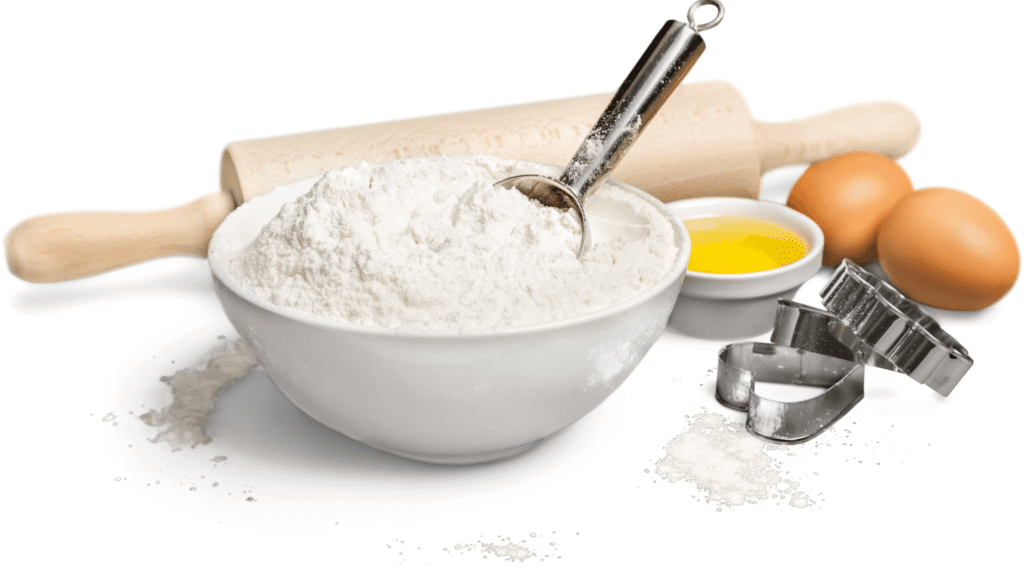
🥄 1. Mixing Bowls – Your Cake’s First Home
Why They Matter
Every cake starts with a batter, and every batter needs a bowl. Mixing bowls are essential for combining your ingredients in a clean, organized way. You’ll often need more than one—one for dry ingredients and another for wet ingredients before they’re mixed together.
What to Look For:
- Material: Stainless steel, glass, or heavy-duty plastic. Avoid lightweight plastic that slides around or stains easily.
- Size Variety: A set with small, medium, and large bowls is ideal.
- Non-slip base: Helps keep the bowl in place during mixing.
Tip for Beginners:
If you’re only buying one to start with, go for a large bowl. It will give you room to mix comfortably without ingredients spilling over the edges.
🥄 2. Measuring Tools – For Accuracy and Consistency
Why They Matter
Baking is a science. Even a slight difference in flour or liquid can affect the texture and flavor of your cake. That’s why accurate measuring tools are non-negotiable for beginners.
Essential Measuring Tools:
- Measuring Cups (Dry): For flour, sugar, cocoa powder, etc. These come in sets (1 cup, ½ cup, ⅓ cup, ¼ cup).
- Measuring Spoons: For baking powder, vanilla extract, salt, and spices.
- Liquid Measuring Cup: For milk, water, oil, and other liquids—usually made of glass or clear plastic with a spout.
Tip for Beginners:
Spoon dry ingredients into the cup and level off with a knife for accuracy. Don’t scoop directly from the container, as this can pack the ingredient and lead to over-measuring.
🥣 3. Electric Mixer – Mixing Made Easy
Why It Matters
You can absolutely mix cake batter by hand with a whisk or spatula, but using an electric mixer saves time, reduces effort, and helps achieve a smoother, airier texture—especially important for beating butter and sugar or whipping egg whites.
Types of Mixers:
- Hand Mixer: Affordable, compact, and great for beginners.
- Stand Mixer: More powerful and hands-free, but also pricier and bulkier.
Key Features to Look For:
- Multiple speed settings
- Comfortable grip (for hand mixers)
- Easy to clean beaters
Tip for Beginners:
Start with a hand mixer—it’s versatile, inexpensive, and perfect for most beginner baking needs.
🍰 4. Cake Pan – Shape Your Cake to Perfection
Why It Matters
Your cake won’t be much good without a pan to bake it in! The right pan affects how evenly your cake bakes, how easily it releases, and how it looks when finished.
Must-Have Pan Shapes:
- Round cake pan (8- or 9-inch): Classic shape for layered cakes.
- Square or rectangular pans: Great for sheet cakes, brownies, and bars.
- Bundt or loaf pans (optional): Fun shapes for pound cakes or quick breads.
Features to Consider:
- Non-stick coating: Helps your cake release easily.
- Even heat distribution: Aluminum pans tend to bake more evenly.
- Removable bottom or springform sides: Helpful for delicate cakes like cheesecakes.
Tip for Beginners:
Start with a pair of 8-inch round pans for most standard cake recipes. Always grease and line your pans with parchment paper for easy removal.
🍴 5. Spatula & Offset Spreader – For Mixing and Decorating
Why They Matter
A good rubber spatula is your best friend for folding ingredients, scraping bowls clean, and ensuring you get every bit of batter into your pan. An offset spatula or cake spreader helps with smooth frosting and leveling your cake layers.
Rubber Spatula:
- Heat-resistant silicone is best.
- Flexible yet firm enough to mix thick batter.
Offset Spatula:
- Angled design for even spreading.
- Also useful for lifting delicate cake layers.
Tip for Beginners:
Use your rubber spatula to gently fold in ingredients like whipped egg whites or berries—this preserves texture and prevents overmixing.
🔄 Bonus Tools to Consider (Once You’re Comfortable)
Once you’ve mastered the basics, consider adding these to your baking kit:
- Cooling rack: To prevent soggy bottoms by allowing air circulation.
- Parchment paper: For lining pans and easy cleanup.
- Whisk: For blending dry ingredients or hand-mixing smaller batches.
- Cake tester or toothpicks: To check doneness.
- Pastry bag and tips: For frosting and decoration (great for birthdays!).
🎯 Conclusion: Set Yourself Up for Sweet Success
Baking doesn’t have to be complicated or expensive. With just five essential tools—mixing bowls, measuring tools, an electric mixer, a cake pan, and spatulas—you’ll be ready to tackle your first cake recipe with confidence. These tools form the foundation of every good baker’s kitchen and will serve you well as you grow your skills.
So don’t wait for the perfect kitchen or fancy gadgets. Start simple, bake often, and enjoy the process. With the right tools and a little patience, you’ll soon be pulling delicious, homemade cakes out of the oven like a pro.